
2026 International Day for the Eradication of Poverty: Safe Homes for All
Dear Friends and Supporters,
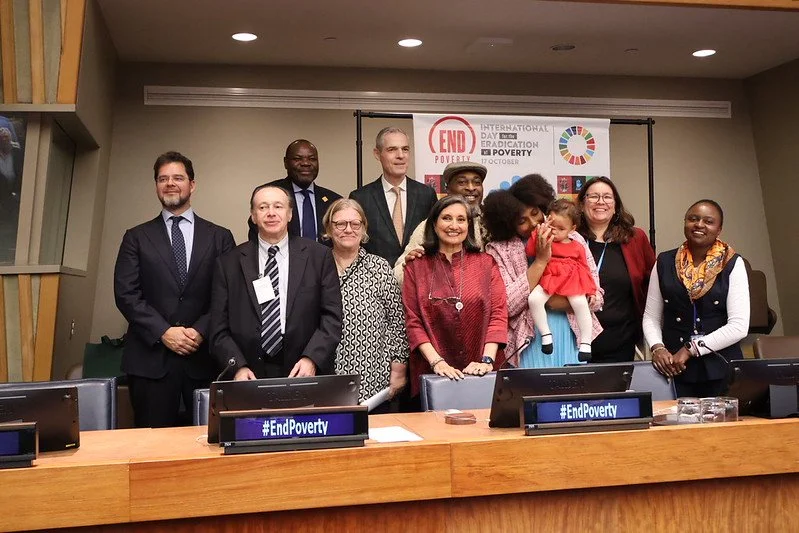
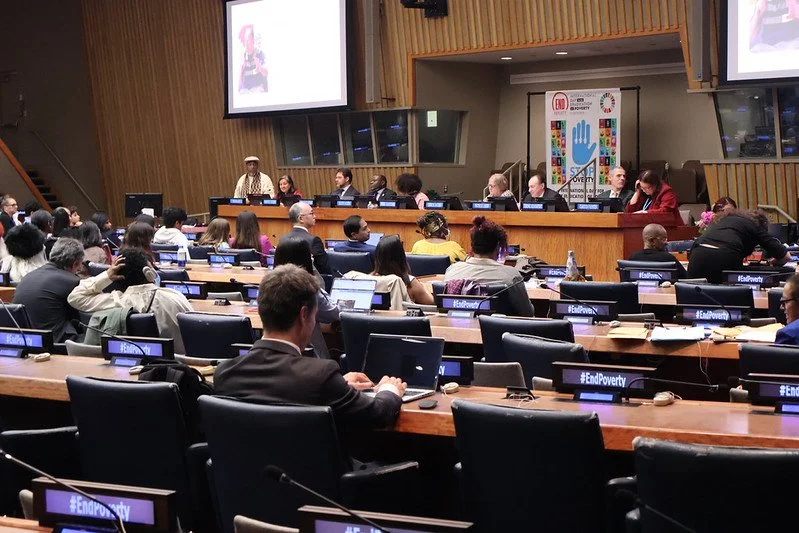
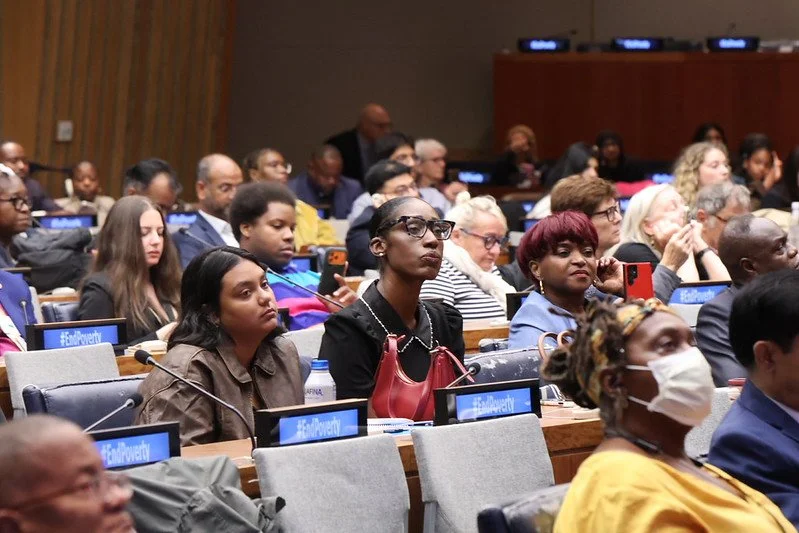
Last Friday, October 16th, we came together to mark the 34th commemoration of the International Day for the Eradication of Poverty under the UN theme United for Peace and Human Rights: Safe Homes for All.
As noted in our message on Friday, ending poverty requires more than policies designed on behalf of people; it demands that we listen to their experiences, recognize their knowledge, and treat them as essential partners in shaping solutions. Whether you were in the room with us or you were thinking about us from away, we want you to come along with us for the day. Through these thoughts, we share the words people said, the promises they made, and the special things that happened during our time at the United Nations.
Voices of Lived Experience: Impact and Realities
The commemoration centered on the powerful testimonies of those with lived experience, whose wisdom brought clarity, urgency, and dignity to the global conversation on housing insecurity.
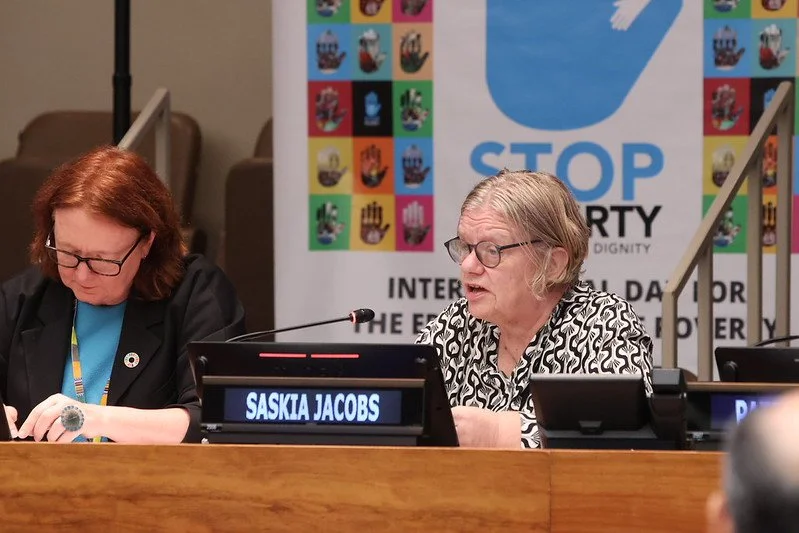
Saskia Jacobs, an expert on poverty by experience, talked about how housing market pressures and underfunded social housing fail families across Europe despite constitutional guarantees. She pointed to Finland’s "Housing First" model as an example. She said that safe housing is not a luxury but a fundamental condition for human dignity and full participation in society. She asked decision-makers to stop letting the private housing market decide how much people are worth and instead make dignified social housing a priority for everyone.
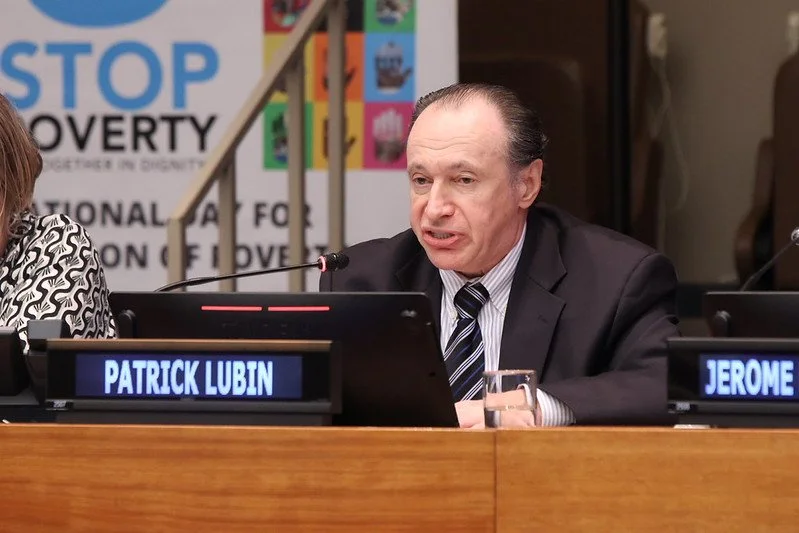
“Housing is a right that's non-negotiable,” said Patrick Lubin, who spent four years on the streets and eight years in temporary motel housing in New York. “Just because you don't have a job doesn't mean we should be denied housing, a place where being able to sleep peacefully, cook, and feel comfortable” His description of the physical and mental strain of weekly eligibility renewals demonstrated the critical need for permanent, dignified housing solutions, not promises or theories.
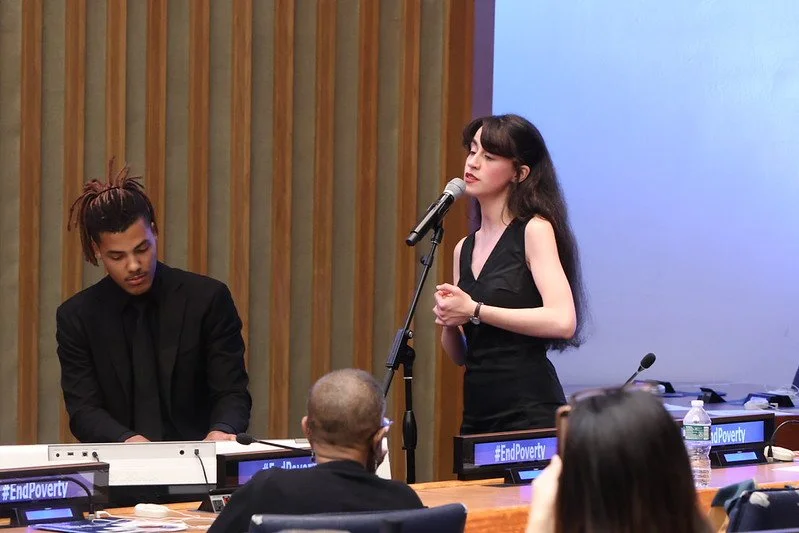
After Patrick’s speech received standing ovations we heard a moving musical performance of "Somewhere" from West Side Story, performed by vocal artist Laura Iniesta Mingot and accompanied by McQuay Morton on piano. Their rendition captured the human spirit and reminded everyone in the room of our shared desire of a welcoming place to call home.
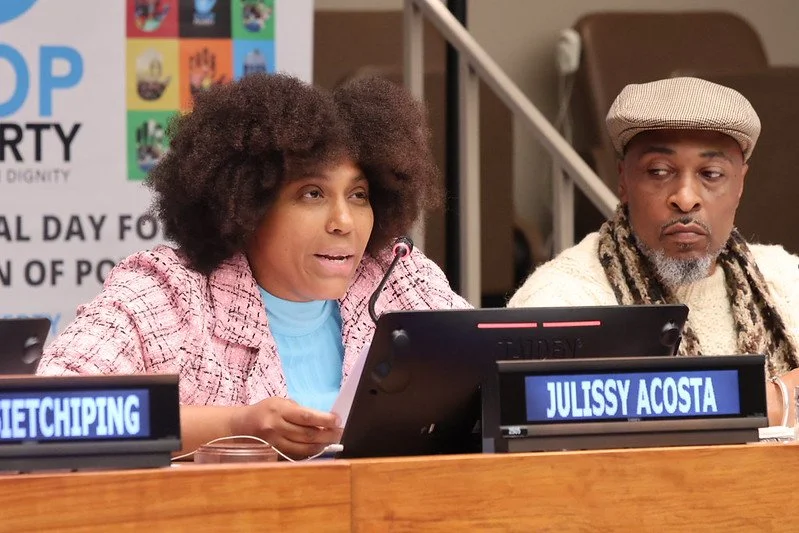
Julissi Acosta, a mother of seven and community doula from Brooklyn, spoke about her struggles navigating housing vouchers and city shelter systems. “Human dignity means providing a safe place for everyone to be able to sleep,” she said. “Housing is a basic need… we need housing first, and then we will be able to feel free and safe.” Her testimony emphasized the value of self-advocacy and love, and showed how community solidarity can overcome institutional barriers.
Finally, via a video message from Bukavu, Democratic Republic of Congo, Jean-Mihigo Kiboyi, a mason and father of four, highlighted the global nature of these struggles. He talked about how his community mobilized to use local resources to change their material conditions and their minds, showing the direct partnership and active agency of people living in poverty.
Reflections from Leadership: Listening and Institutional Responsibility
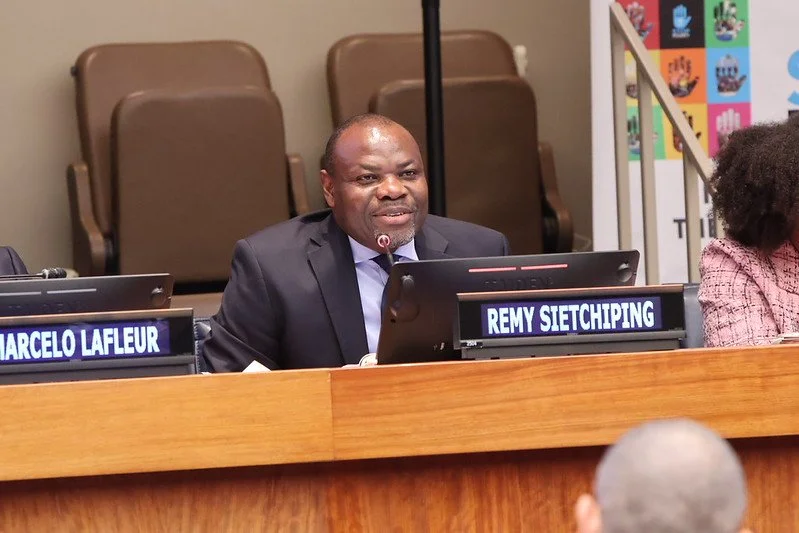
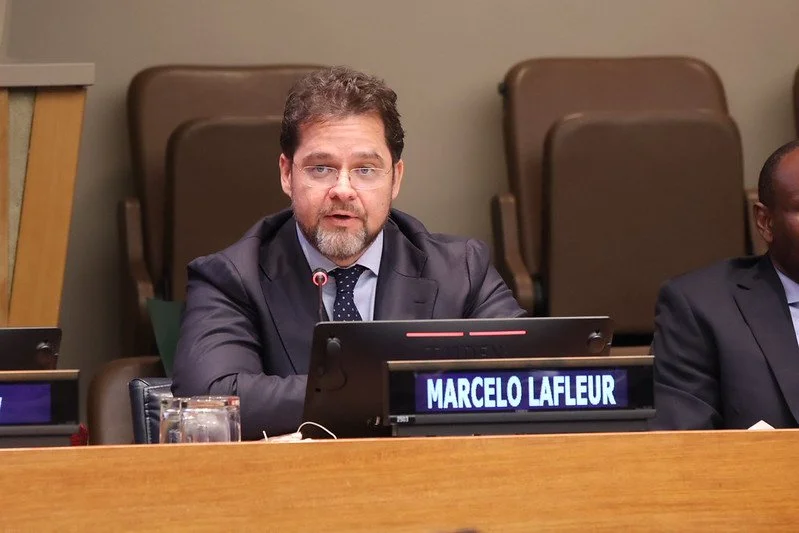
Following the testimonies, diplomatic leaders reflected on the imperative for international institutions to align their actions with the wisdom of affected communities.
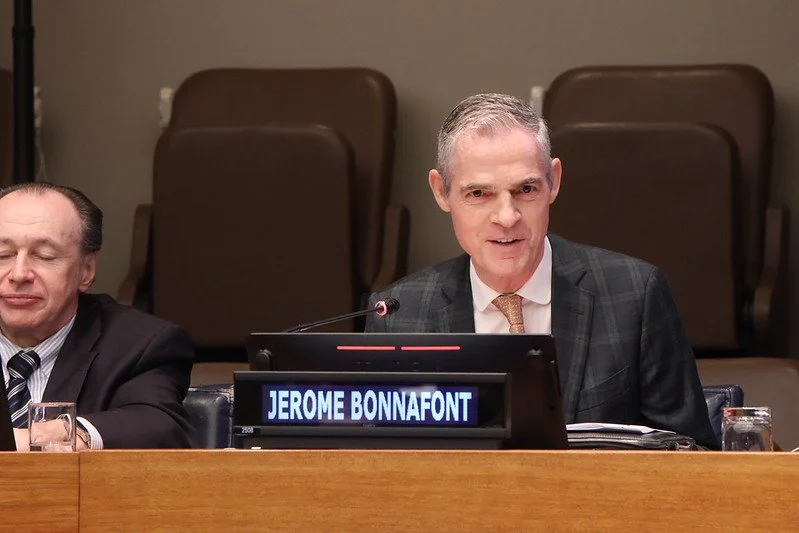
Jérôme Bonnafont, Ambassador and Permanent Representative of France to the UN, drew his reflection from the principle of Fraternité and equal human dignity and shared a formative memory from India that demonstrated that people living in extreme poverty are not passive victims, but active citizens fighting for their own rights. “There is a reality that is unacceptable, and that is the reality of extreme poverty,” he said. But on the other side, there are people who are full citizens of our communities and who are fighting alone for their rights, stressing that securing dignified shelter requires combining robust government action, civil solidarity, and individual empowerment.
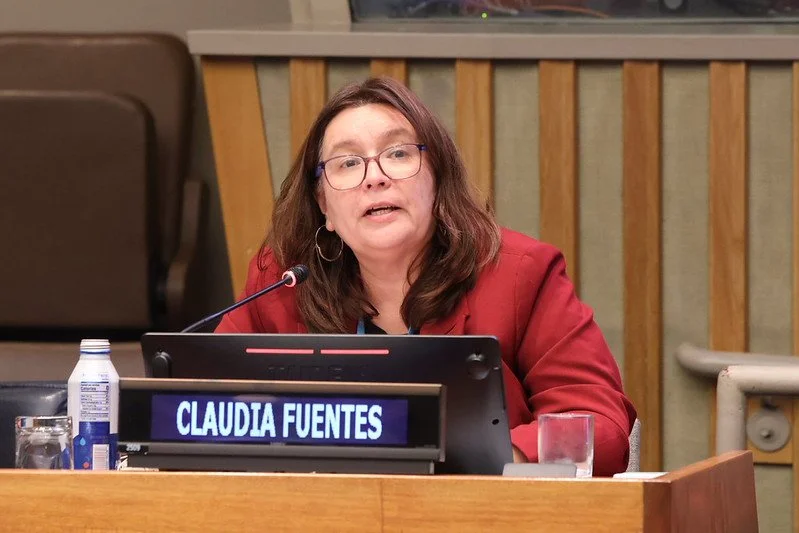
Claudia Fuentes Julio, head of the UN Human Rights Office in New York, reiterated the human rights component, saying, “Housing is a fundamental human right, and we need to end the criminalization of homelessness.” She stressed the central role of the United Nations in hearing directly from people with lived experience, reminding the audience that “people experiencing poverty are not objects of policy. They are rights holders and agents of change. Their lived experience tells us where systems fail, where policies exclude, and what needs to change," and concluding that their testimonies must serve as a direct call to action for global leaders.
Gathering at the Commemorative Stone on the North Lawn
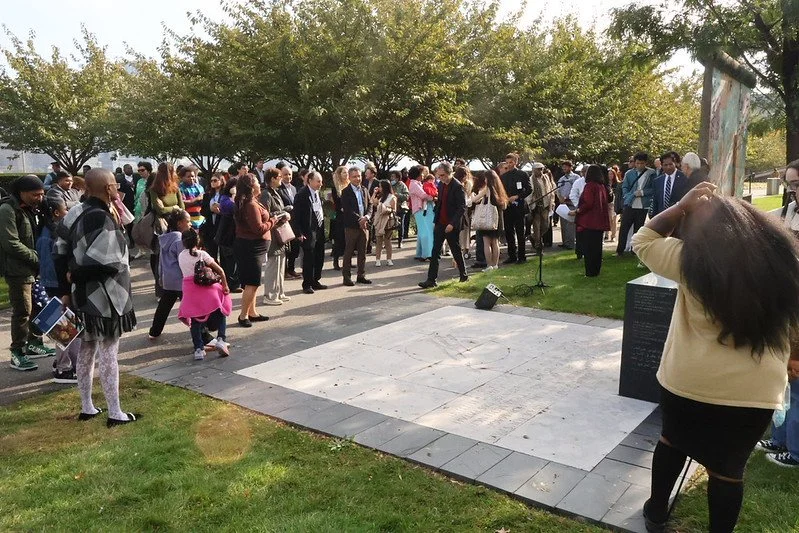
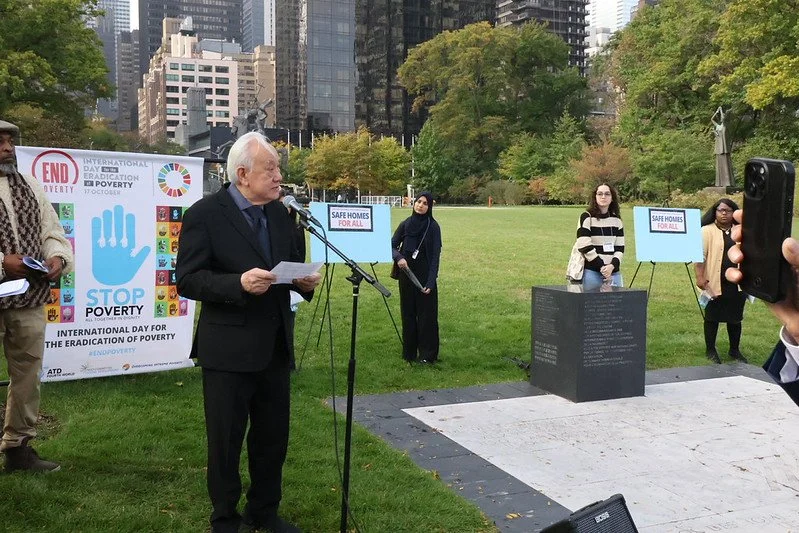
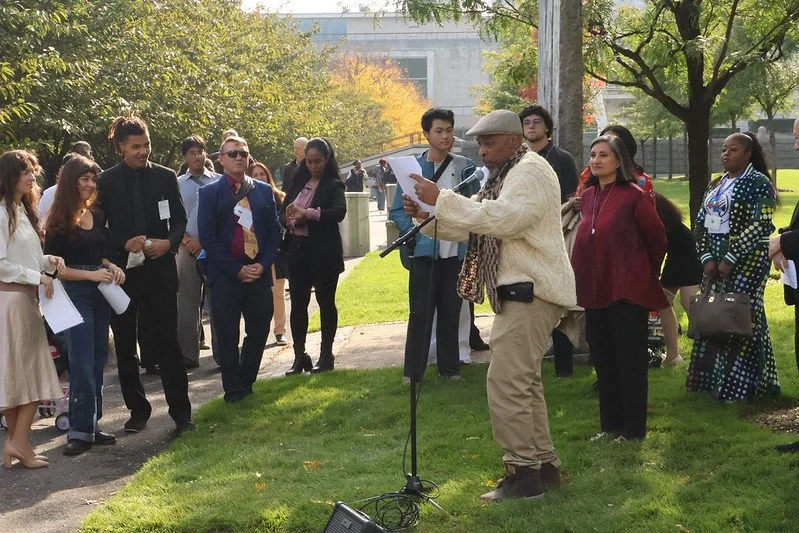
After the panel discussions, participants gathered outside in the UN Garden on the North Lawn to congregate around the Commemorative Stone in Honor of the Victims of Extreme Poverty.
President of the ATD Fourth World International Movement, Donald Lee, offered thoughtful remarks about the ongoing mission of the International Day for the Eradication of Poverty and our shared duty to advance human rights.
In a display of solidarity, local youth read the inscription on the Stone in all six official UN languages, before a moment of silence to pay tribute to the lives lost to the injustices of poverty. The session ended with a moving choral rendition of “Siyahamba” by the choir and a symbolic act of solidarity, leaving participants grounded in hope and renewed in their commitment as they gathered for the reception.
Carrying the Message Forward
The 34th observance was a stark reminder that ending poverty requires our continued collective commitment. We are able to build a world without housing insecurity only through listening to lived experiences and standing together in solidarity.
Thank you for standing with us in solidarity.
In unity,
The ATD Fourth World USA Team