
Building a Housing Paper Through Participation: A Collective Journey
Behind every housing policy are human stories, and those stories became the foundation of this position paper.
From the beginning, the process was designed to ensure that those living the realities of housing insecurity could help shape both the conversation and the solutions.
It began with listening.
In 2023, as ATD Fourth World New York team explored how to strengthen local advocacy efforts, one issue quickly emerged as a priority: housing. For many members of the ATD Fourth World community, housing insecurity was a daily reality.
“If I create a system that is taking those opportunities away from you and closing those doors without due process, I violate people’s constitutional rights. The Constitution is allegedly based on human rights. So that’s what the problem is like.
When you have to deal with these systems, everything comes at a cost. And generally, the cost is going to be in blood: in your self-esteem, in your self-image, in sacrificing your security because they’ll send you to what people deem as dangerous neighborhoods.”
“When you’re not able to provide your own home, you have to deal with things like unsanitary conditions. You have to deal with housing specialists and staff, people that are rude. They give you dehumanizing treatment. They treat you like you are intellectually inferior, like you don’t understand anything.”
To better understand these experiences, the team conducted a series of in-depth interviews with community members at the end of 2023 and the beginning of 2024. These conversations revealed a wide range of housing situations: some participants were living in public housing, others relied on vouchers, some were staying in shelters, and others had experienced street homelessness.
What became clear was that there was no single housing story. Each person’s experience was shaped by a unique journey.
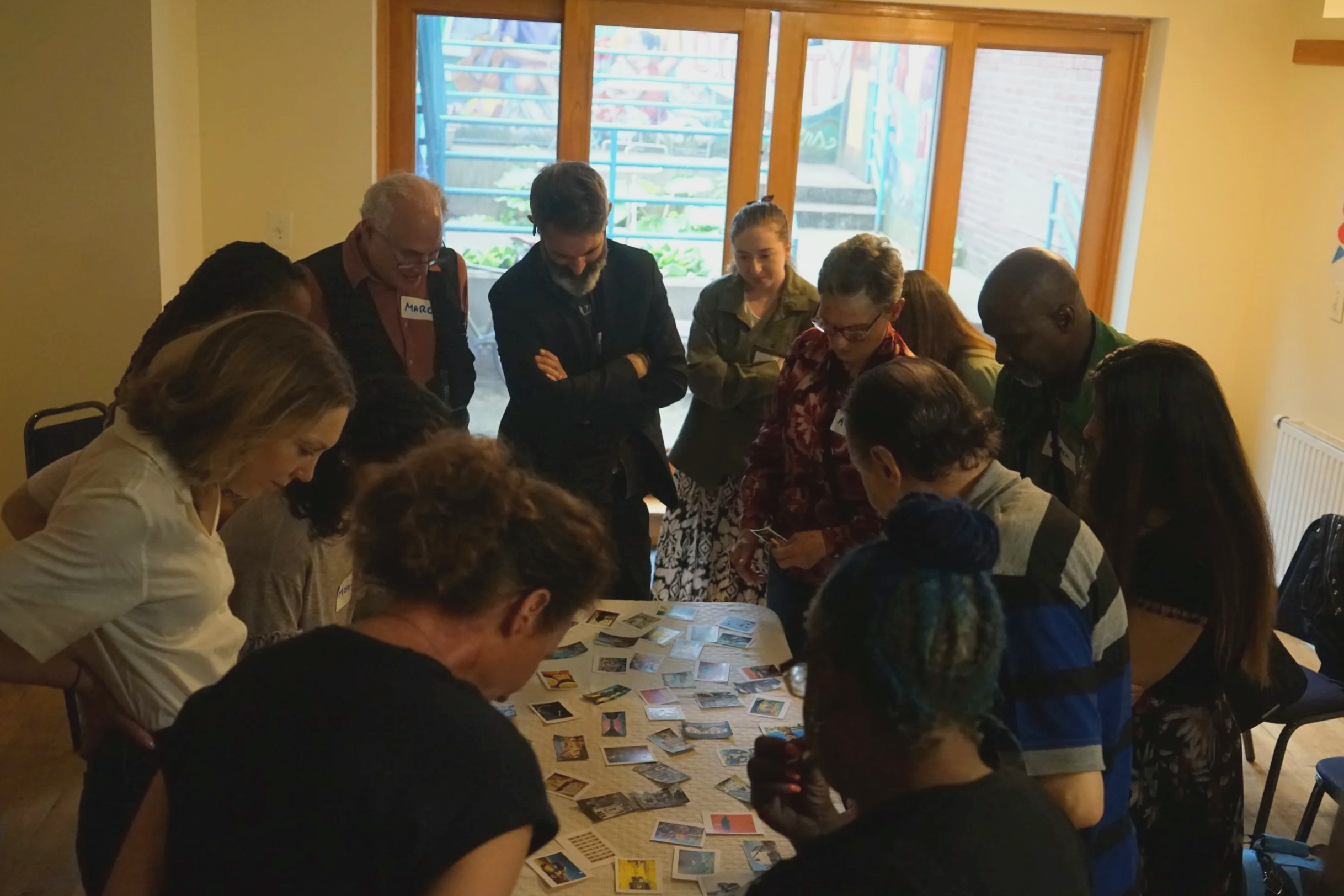
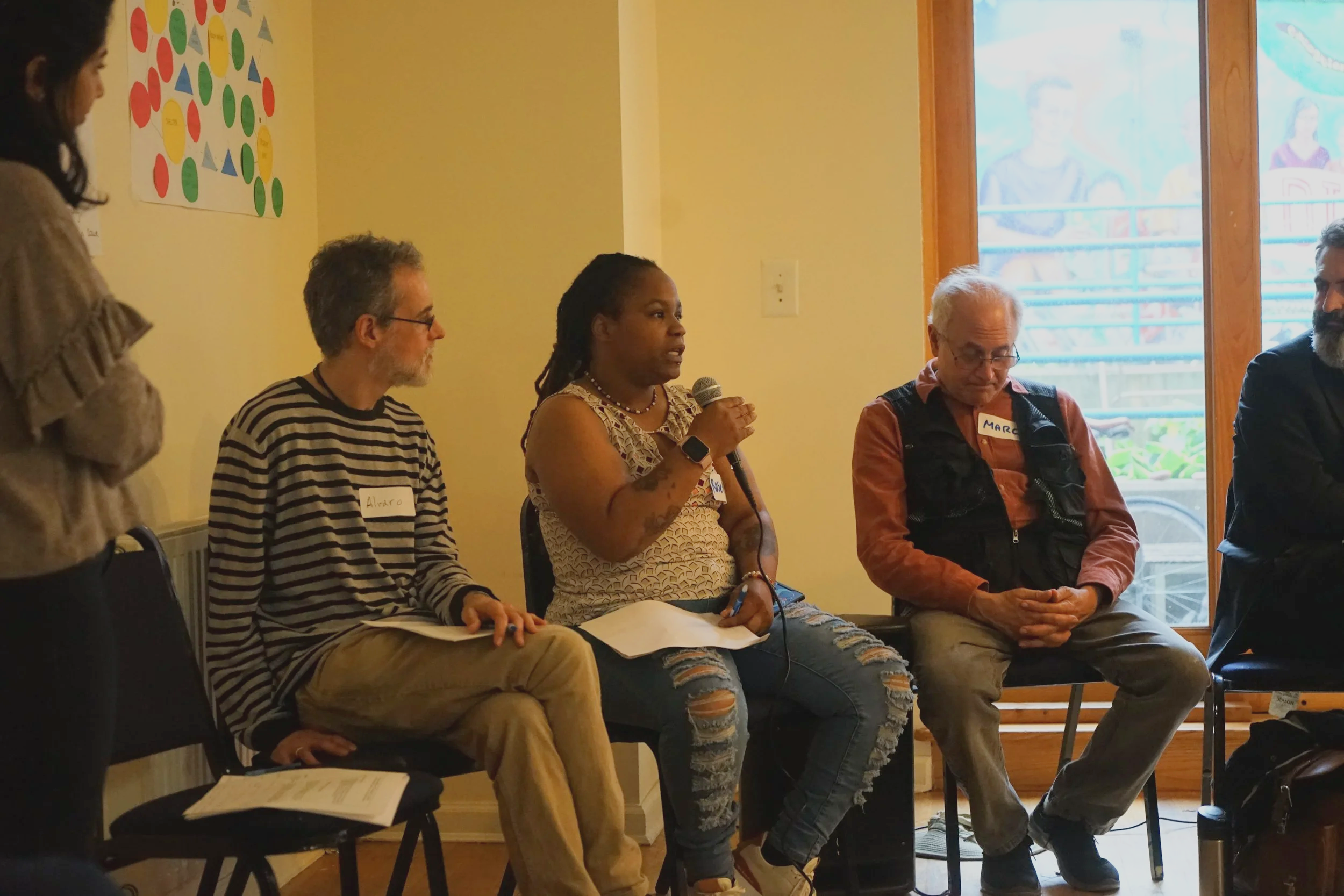
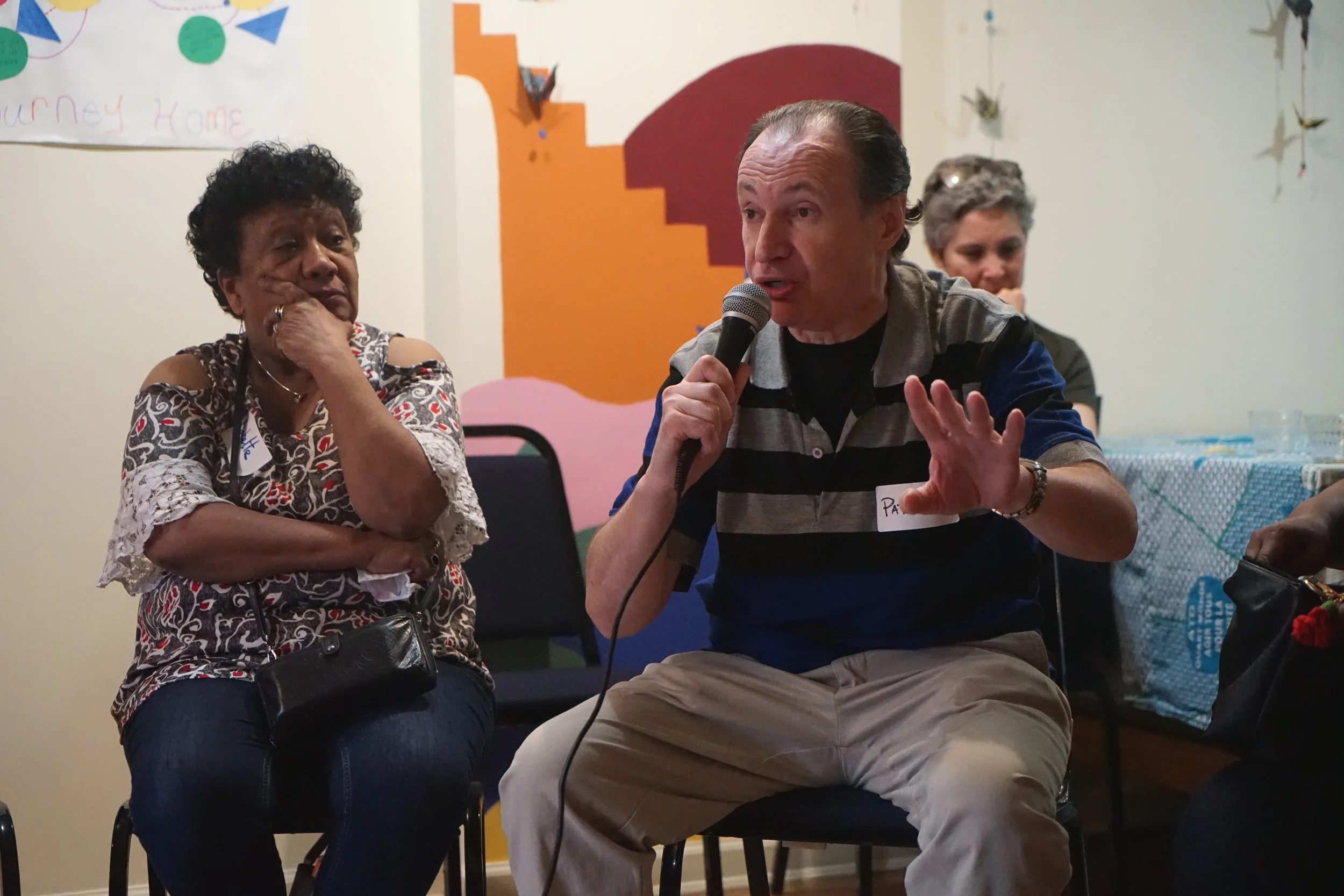
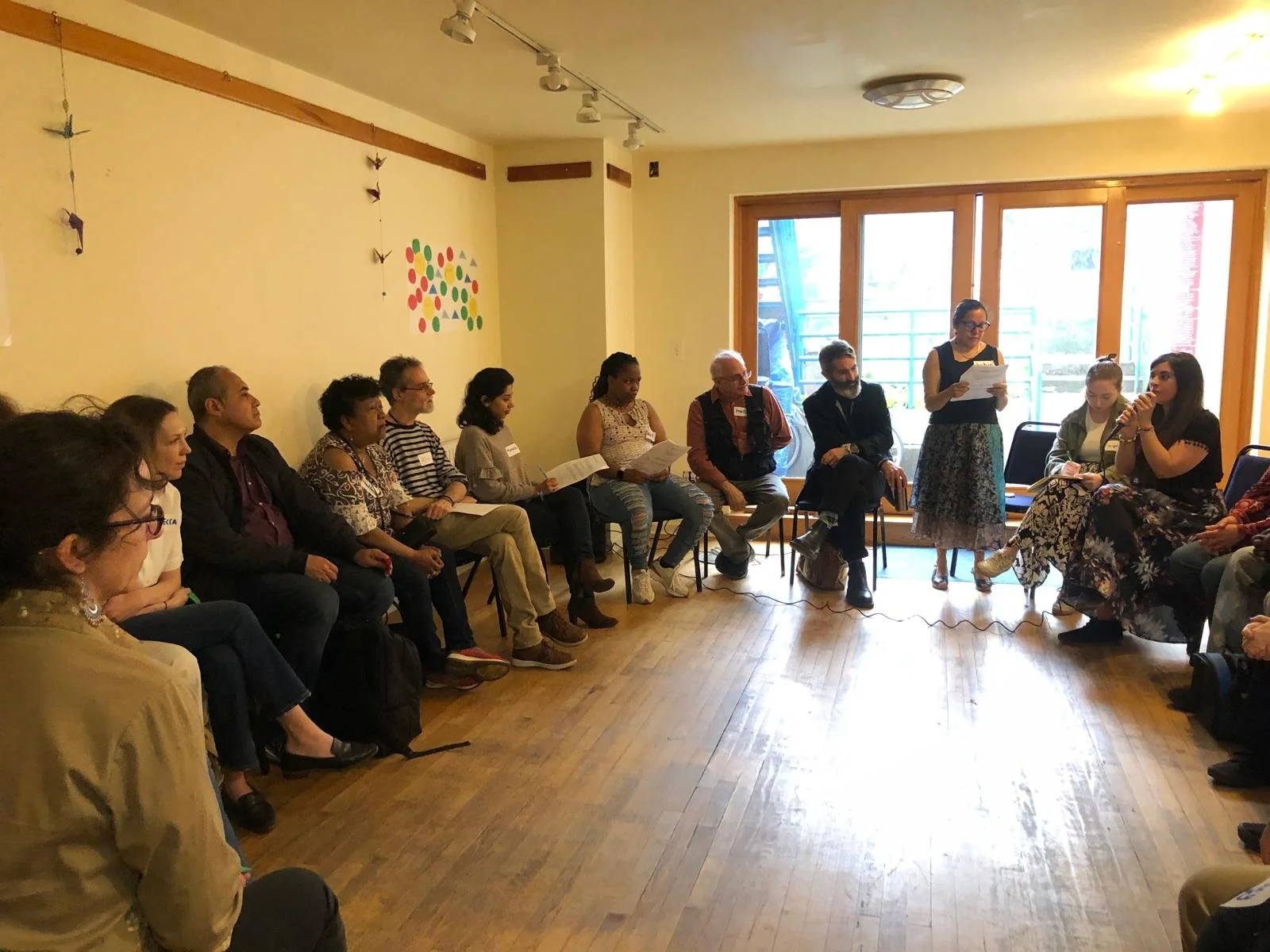
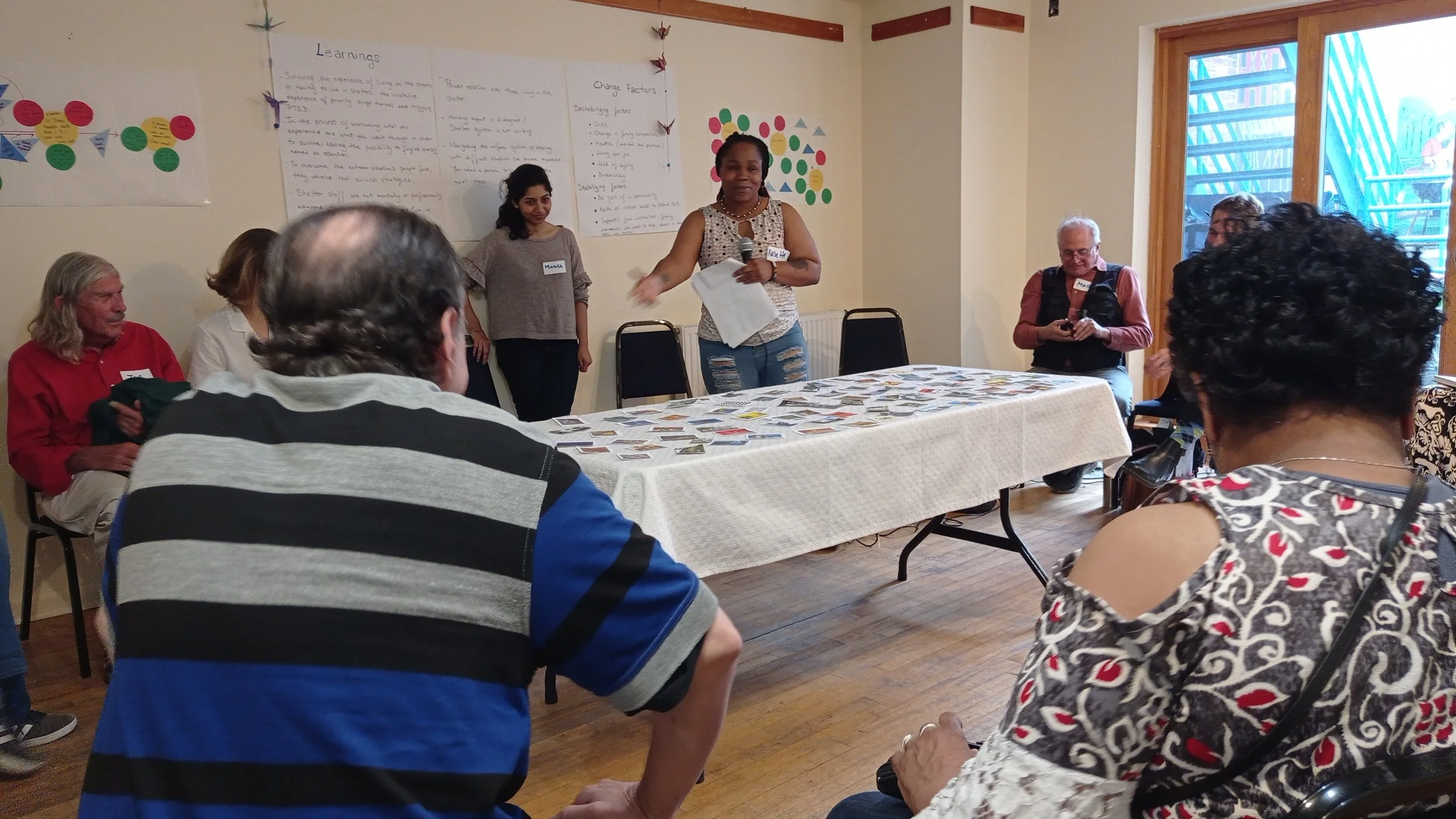
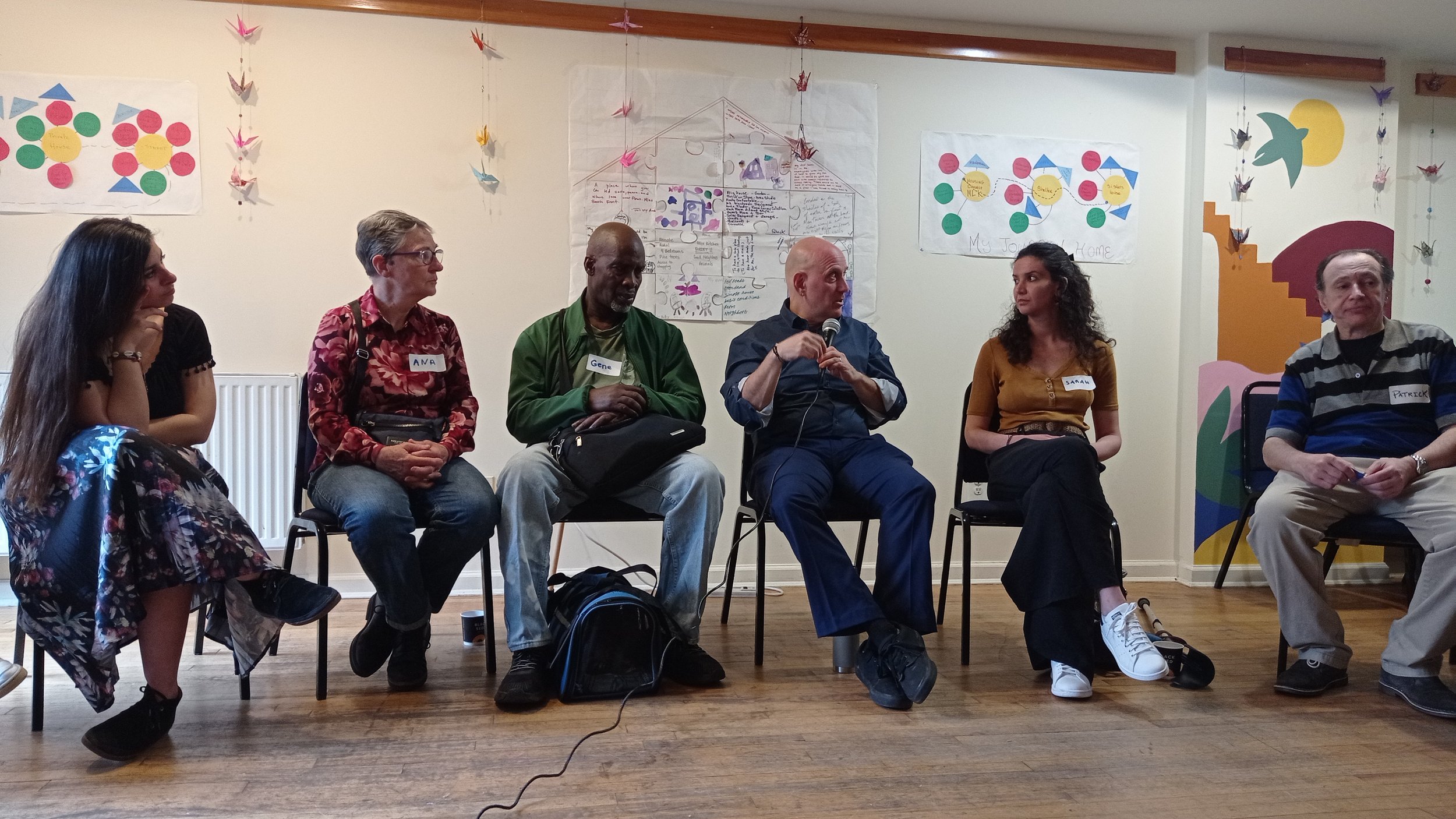
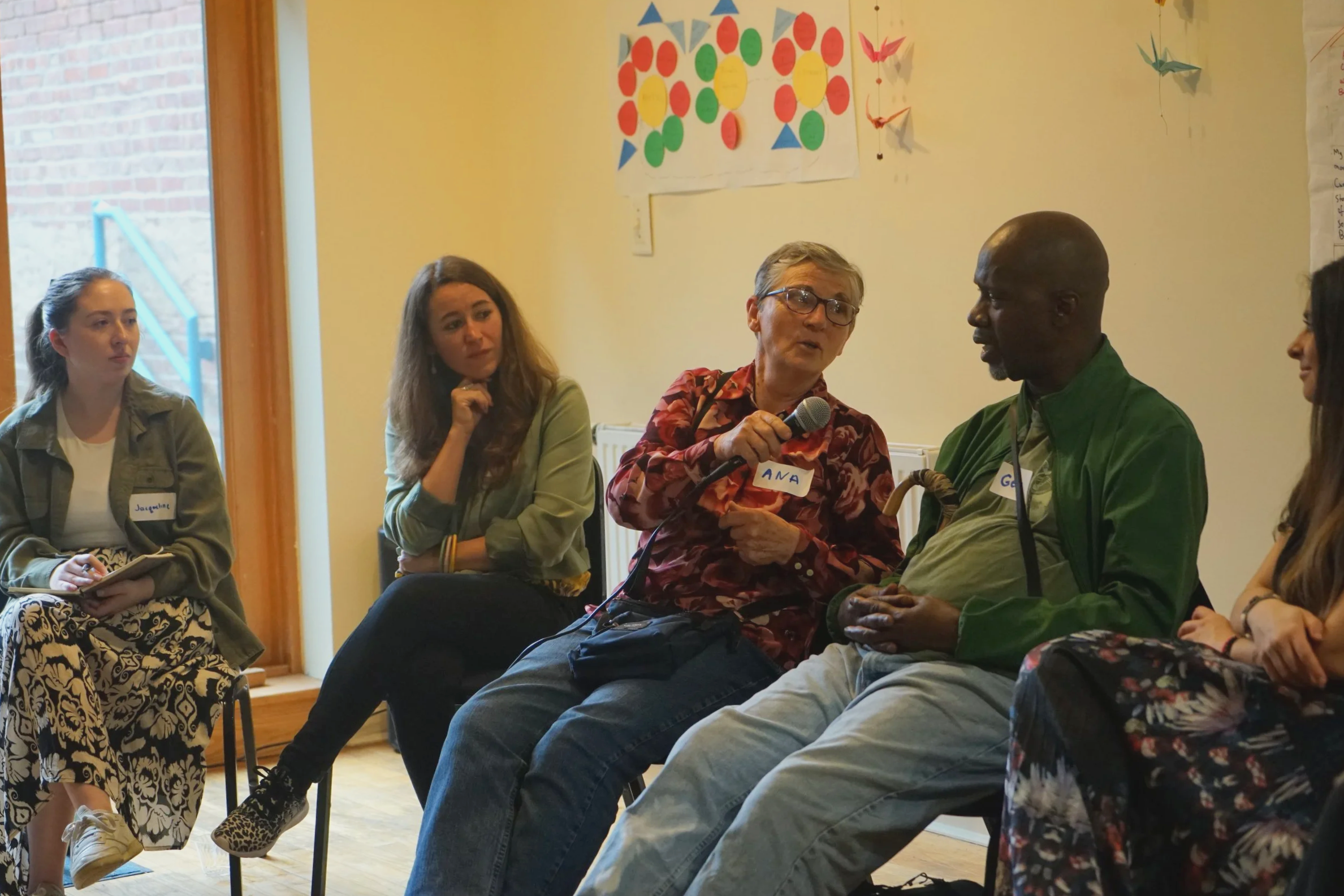
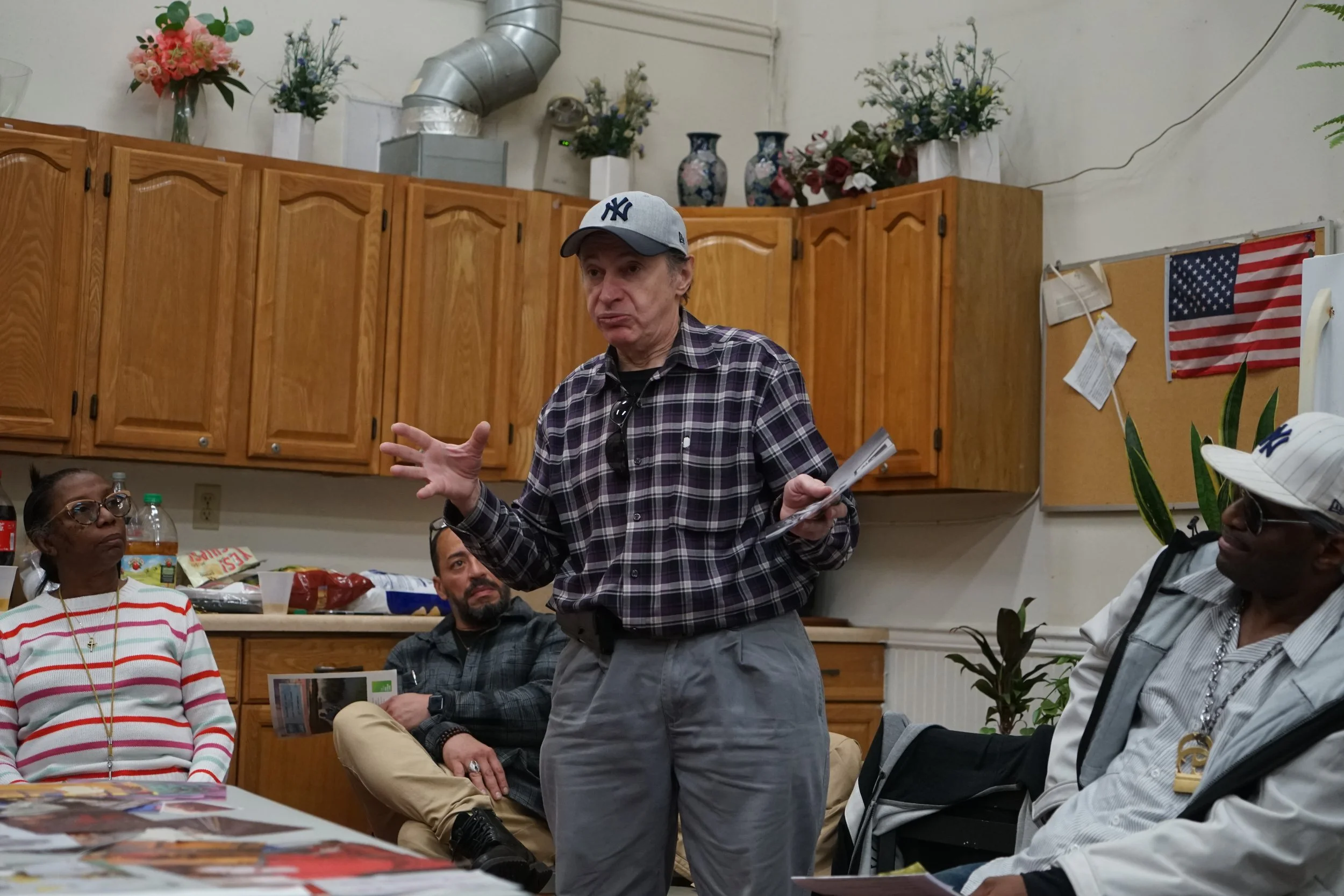
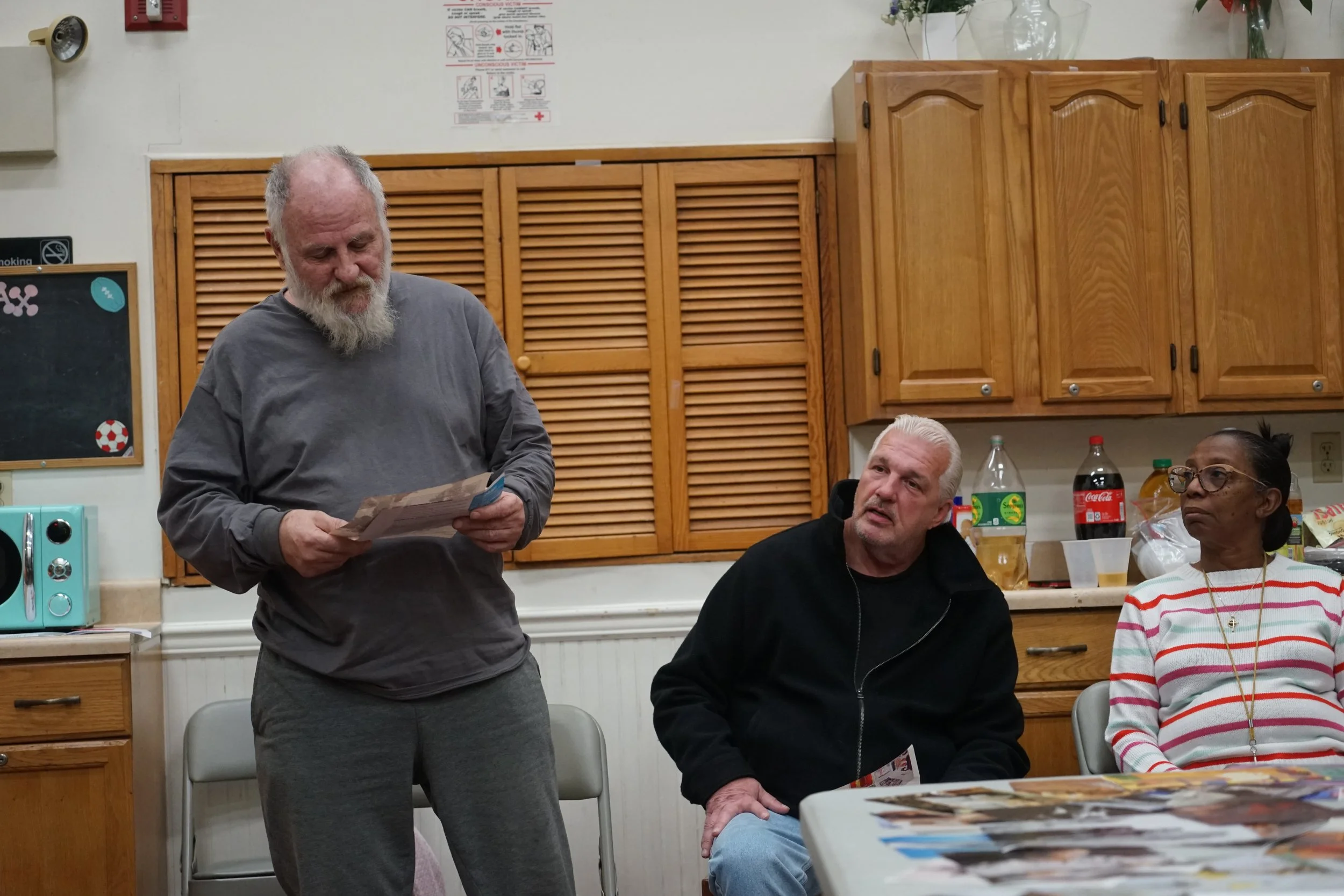
Rather than narrowing these experiences into one narrative, the team chose to explore them more deeply through a cycle of People’s University sessions titled “Our Journey Home.”
These sessions created a space for participants to reflect on their housing journeys over time. Together, they explored questions such as: What helped you move toward safer housing? What made the journey more difficult? What does stability mean in your experience?
These discussions highlighted both the diversity and the common threads within people’s experiences. While every journey was different, many shared the challenge of navigating complex systems and the ongoing fragility of housing stability.
“[The most important thing to improve your housing situation ] is having a person [who specifies in the housing application process.
For example, [if] I want to [apply] for Section 8 [Housing], I would like a [specialist] to say, ‘Okay, X, Y, and Z is what you need for Section 8. This is how you get in. This is how this works.’ And someone to walk [me] through the next steps.
Because that’s what I didn’t get with my journey. I had to figure out everything on my own. It was hard.”
The process also included collaboration with external partners, bringing in additional perspectives while keeping lived experience at the center.
As the work evolved, it became clear that understanding housing from the perspective of people struggling with persistent poverty required going even further. This led to the creation of a series of Housing Dialogues, focused conversations connecting specific lived experiences with external expertise.
Each dialogue was co-developed with Activists and partners:
A session on the voucher system
A dialogue on shelter and homelessness at a local shelter
Another discussion focused on the transformation of the neighborhood and on how to mobilize so that those most affected by poverty can get involved in changes.
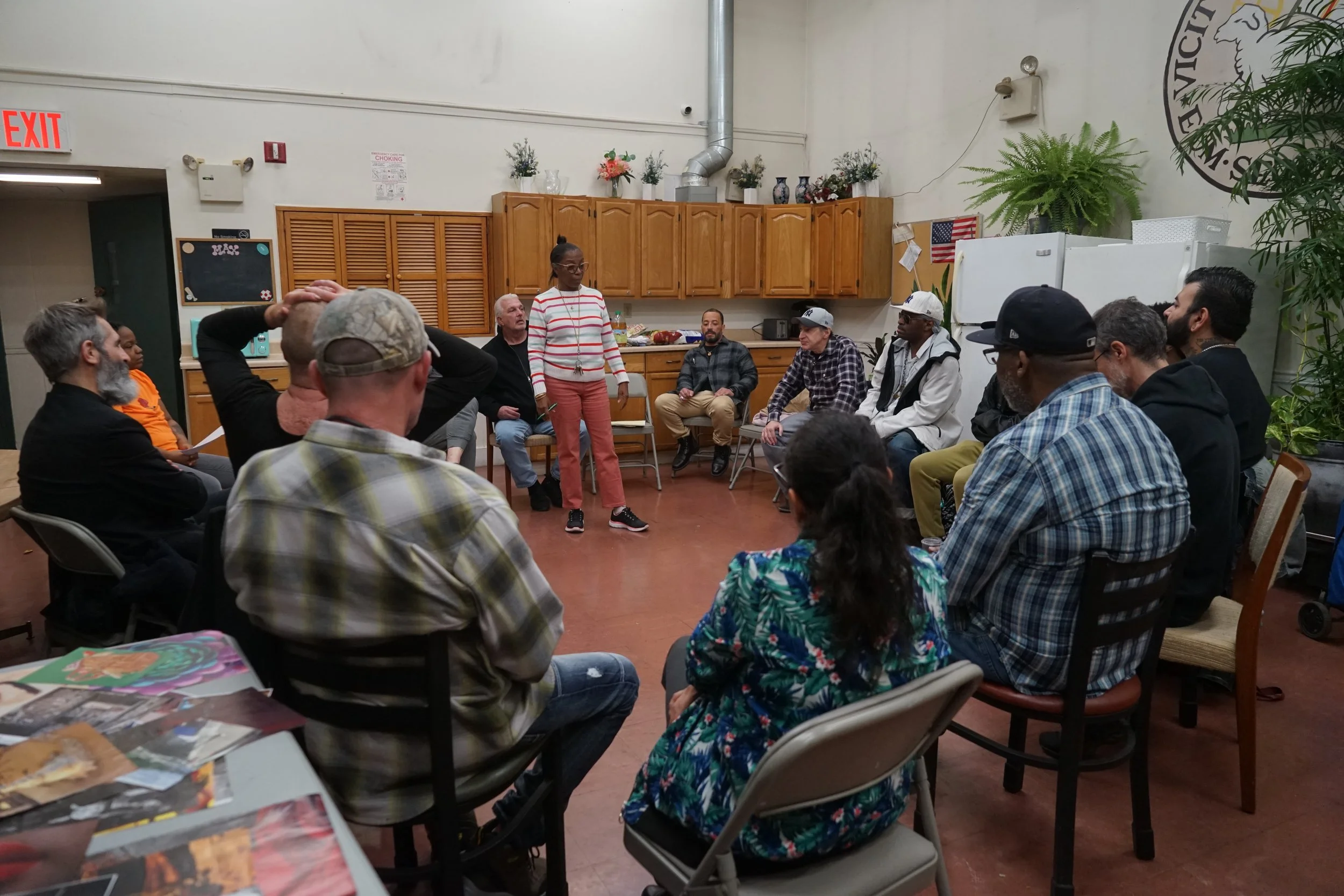
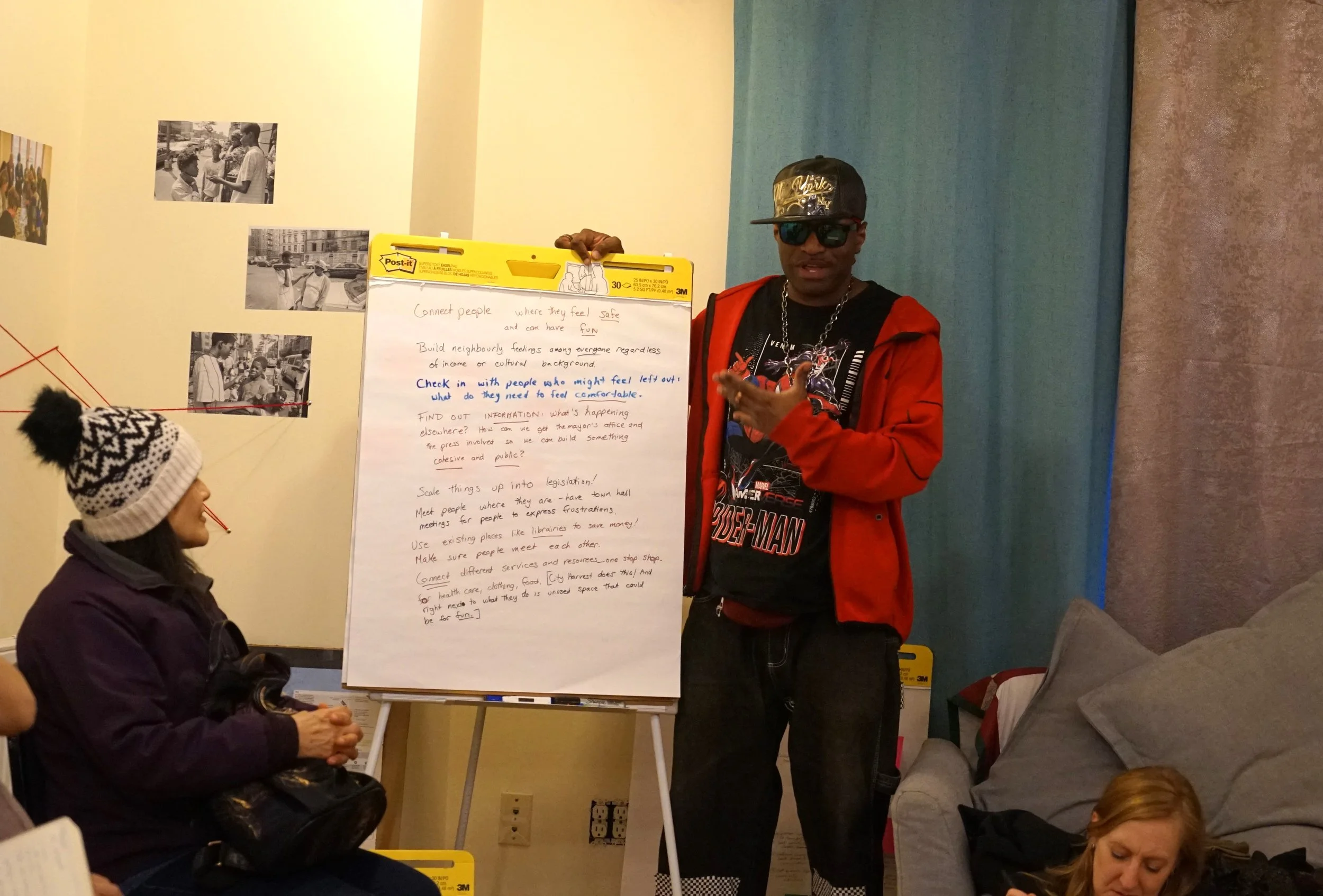
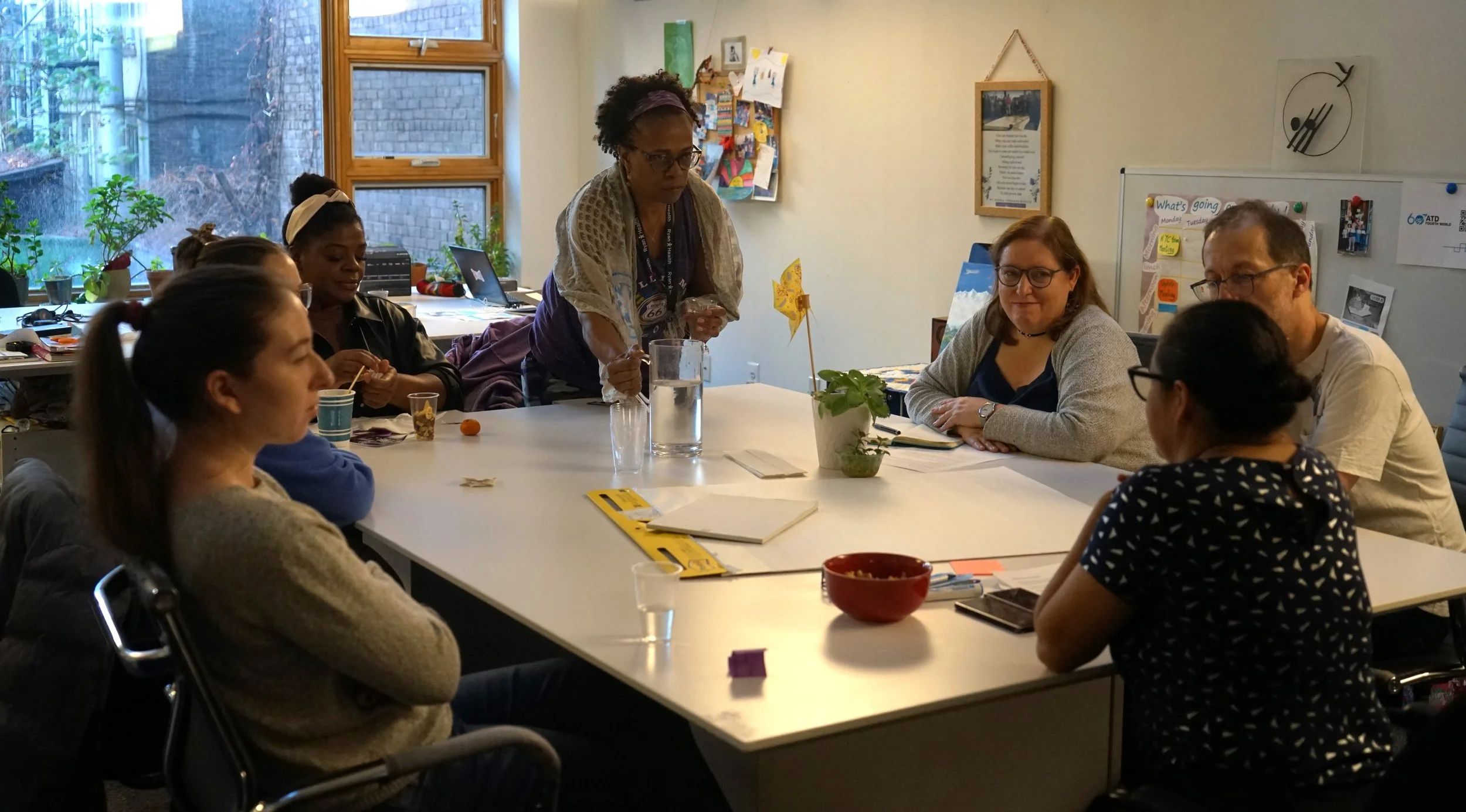
These dialogues were designed to be participatory spaces that encourage exchange, reflection, and collective thinking. In some cases, ATD Fourth World Activists themselves led the preparation and facilitation, marking an important step in strengthening leadership within the community.
From Dialogue to Co-Creation
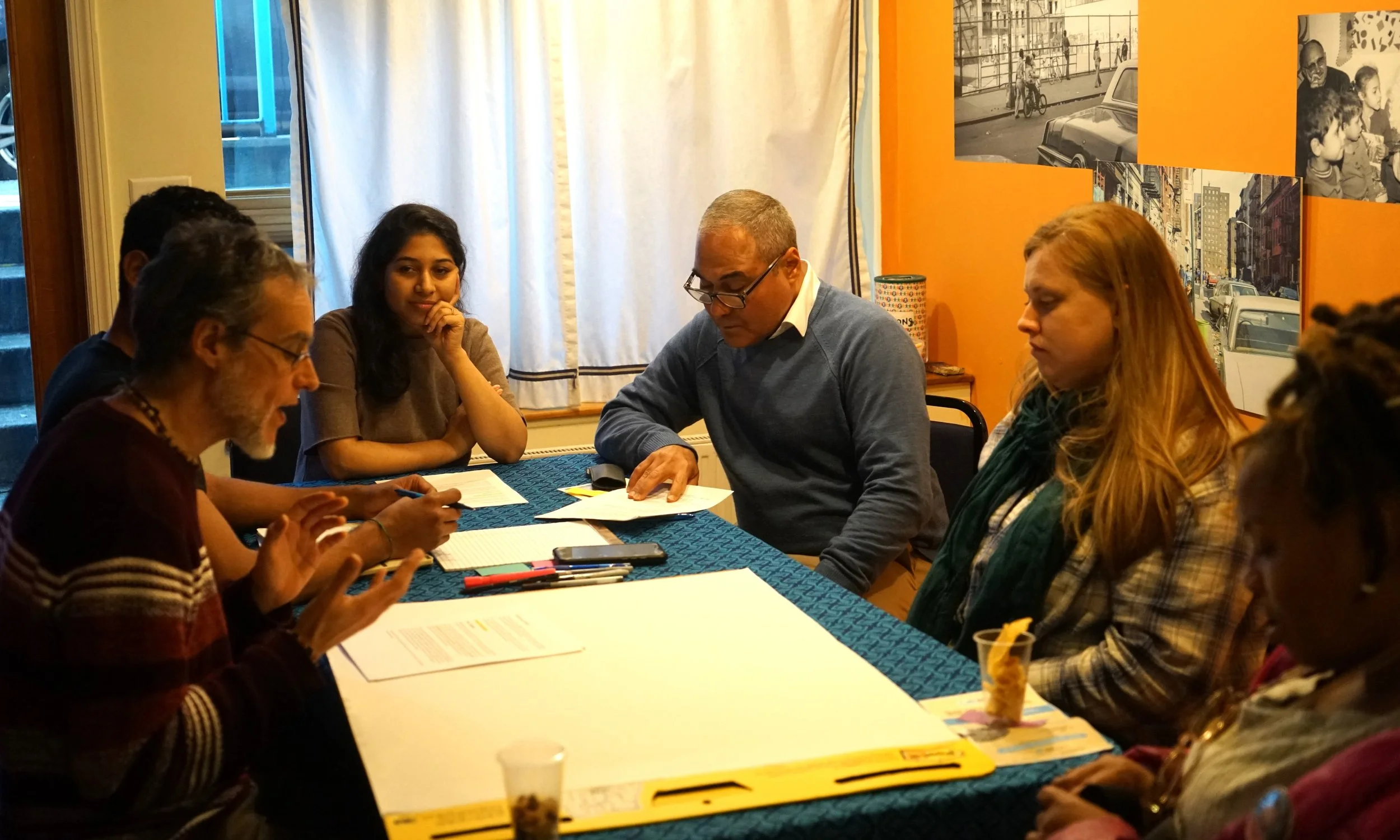
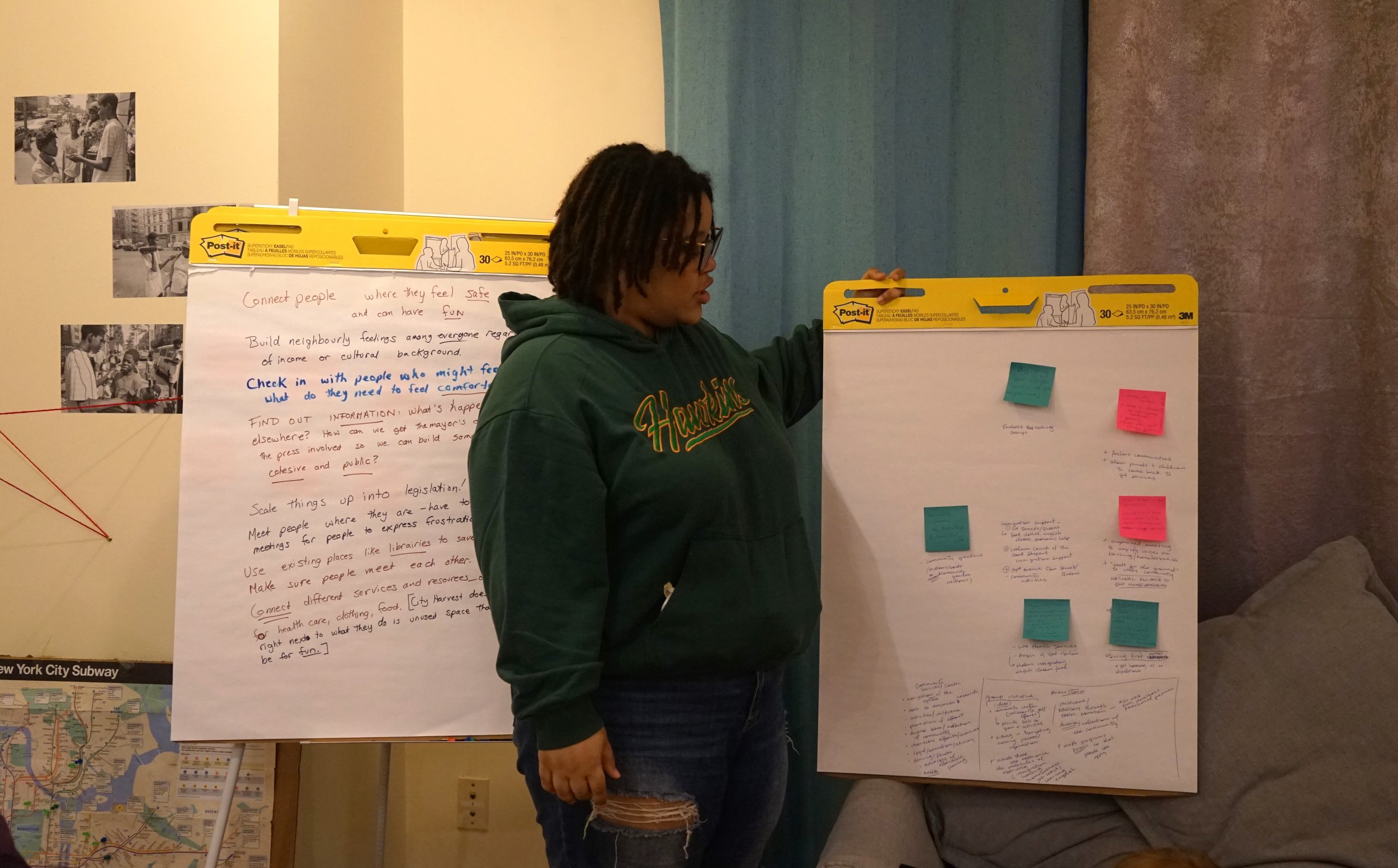
Insights from interviews, People’s University sessions, and Housing Dialogues were carefully documented and shared back with participants. Community members were invited to review these reflections, identify key themes, and help shape the direction of the work.
This iterative process led to the drafting of a housing position paper. The paper was built collectively, grounded in lived experience and refined through ongoing feedback.
Activists played a central role in identifying key issues and recommendations. At the same time, external partners reviewed the draft, offering additional perspectives to strengthen the analysis.
“The first thing is that we need to create a permanent place for your housing. And then once you have that, then you can say okay, I need help for my addiction, I need help to work, I need help for my health, etc.; but first of all give you a home…
But the system here in New York City... There is a shelter and from there three-quarter houses and the thousands of dollars that the city is giving to hotels for housing. Give me the two thousand dollars and I can find a place.”
“Under Bloomberg, the former mayor of New York City, 29,000 households were evicted in housing court. And it was determined that half of them would not have been evicted if they had been represented by an attorney. So there was pressure to provide more assistance in housing court. But then landlord-tenant law is very complicated, so not every lawyer knows how to do it.”
A Different Way of Shaping Policy
This project demonstrates what becomes possible when policy development begins with the experiences and expertise of those most affected by the issues being addressed. Rather than beginning with assumptions or predetermined solutions, it began with listening.
It created opportunities for people with lived experience of housing insecurity to reflect on their own journeys, learn from one another, engage with experts, and contribute directly to shaping recommendations.
Together, they built knowledge. They developed a deeper understanding of housing that emerged through dialogue, reflection, and the meeting of different forms of expertise.
As participants listened to one another, individual experiences became connected to broader patterns. Challenges that had often been experienced in isolation could be understood as part of larger housing systems. This collective understanding became the basis for recommendations that no single interview or expert analysis could have produced on its own.
“The whole home is not just the roof, right? But this is like somebody who waits for you or remembers your birthday, who is always willing to support you and to say, ‘Yes, you can,’ and ‘Let’s go here or let’s go there.’
So I noticed that at times the system takes care of certain things like housing or health and we have forgotten almost —each of us, not just the system — the importance of enduring, committed relationships in the way that you even seem to do nothing but be part of the life of others.
If each of us can do that with one or three people, that’s of the greatest, greatest help, more than any other system that we can give, because when you are mentally ill, destroyed emotionally with all of this... I mean, if you don’t have that, you can’t stand up.”
People facing housing insecurity are essential partners in understanding the challenges and identifying solutions. Their expertise, developed through lived experience, offers insights that cannot be found through data alone.
“I was in foster care a lot so I think it takes that special person who, even if you go five thousand times to the mental hospital, they’re still there for you when you get out. You have to have that one which I call a soul tie to keep fighting for you even when they know that you’re down. They still see that spark in you. I think that is a key note.
For me, my whole life, I found maybe two people that got me through low points in life — that person that just sticks beside you and keeps on pushing for you and keeps on seeing that light in you.”
As communities, organizations, and policymakers continue searching for solutions to the housing crisis, this project points toward an approach that is both more inclusive and more effective: one that creates space for those most affected to help define the problems, shape the conversation, and build the path forward together.